Every time we sit down to write about heritage, we end up arguing about the word first.
Say “heritage” to most people and they picture a fort. Amber, Mehrangarh, Chittorgarh, the ones with the shows and a guide who’s recited the same twelve facts for fifteen years. That’s heritage too. It’s just the smallest, most photographed part of it.
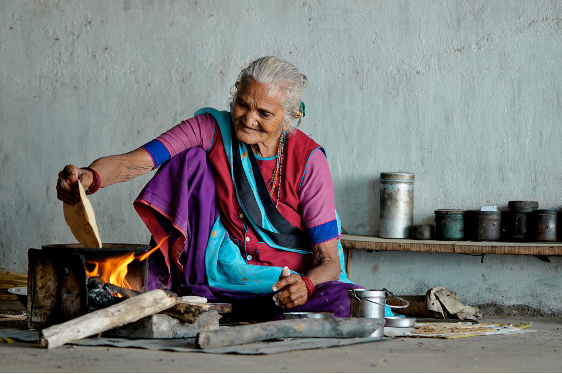
The heritage we chase is quieter. A woman in a Marwari haveli kitchen at 6 am, rolling bajre ki roti the exact way her mother-in-law taught her, who learned it from hers. A recipe that’s never been written down and probably never will be, because writing it down was never the point of passing it on.
A jharokha window cut three hundred years ago at the angle that lets the desert wind in and keeps the desert sun out. Nobody called that sustainable design back then. It was just design, common sense before common sense needed a name.
It’s the mashru silk still being woven in a Kutch lane most visitors never turn down. It’s a Chettinad grandmother’s tamarind rice, made with masala ground fresh that same morning, that no restaurant three streets away has managed to copy properly. It’s a Rabari woman looking at a piece of mirror-work embroidery and telling you which village made it without being asked, the way a wine person reads a vintage off the label before they’ve even tasted it
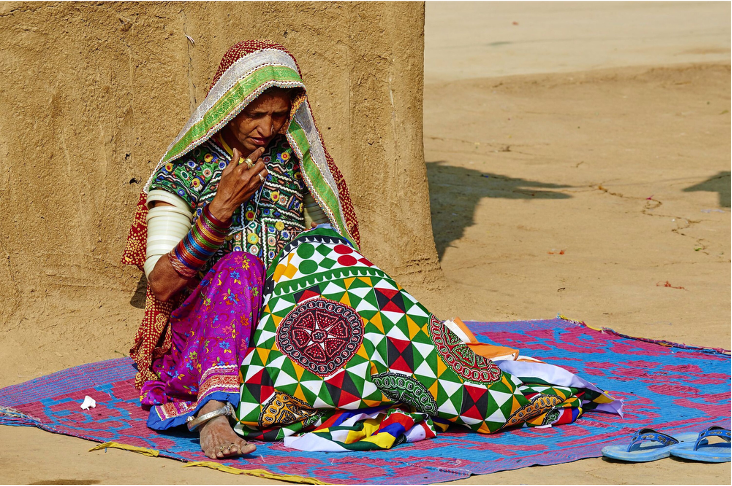
None of this lives in a museum. It survives because somebody’s grandmother is still up at dawn doing it the exact way it’s always been done, in a house people actually live in, not one that’s been roped off and ticketed.
That’s what heritage really is. Not history. History is dates and dynasties, the stuff that gets memorised and forgotten right after the exam. Heritage is not history, it’s a story, one that feels like a past that can still be relatable to the present. A recipe is a story. A window is a story. A wedding song passed down four generations is a story. That’s the version we care about, the one that still feels like it belongs to today even though most of it happened long before any of us were born.
This is also why hardly any of our heritage tours are built around monuments alone. They’re built around homes instead. You don’t really understand three hundred years of history from a placard outside a fort. You understand it from sleeping inside a haveli that’s stayed in one family for six generations, eating what that family eats, and asking the questions no guide would think to answer for you.
For us, heritage is culture packed into a region. India isn’t one heritage, it’s dozens of them, each one shaped by a stretch of land, a trade route, a ruling family that came and left something behind. Five regions carry this out in the open, the kind of places heritage is expected to live: Chettinad, Bikaner and Shekhawati, Kutch, Indore and the Malwa plateau, and Awadh
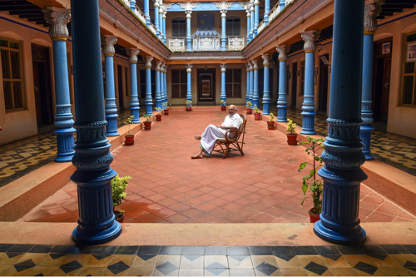
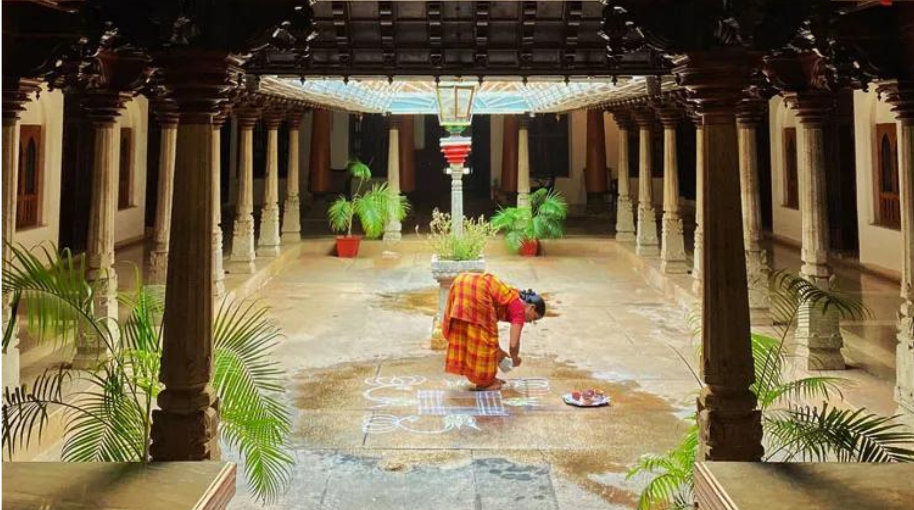
Chettinad is its own thing entirely. Stay a night at Rajakkad and you understand Chettiar wealth without anyone having to explain it. Athangudi tiles laid by hand in the village next door, teak pillars shipped in from Burma over a hundred years ago by a merchant community whose trade stories stretch as far as Rangoon and Penang, courtyards built for a hundred relatives who mostly don’t live there anymore but still turn up for weddings.
The banana-leaf lunch alone tells you more about that community than any plaque on “Chettiar merchant history” ever could.
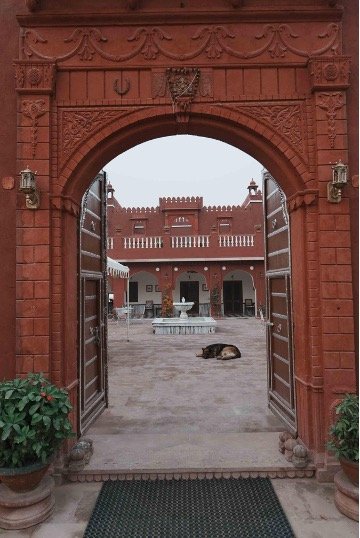
Bikaner and Shekhawati deserve more than a passing line, because this is where the whole idea makes the most sense. This was caravan country long before it was postcard country. Marwari trade routes once carried indigo, opium, and cloth across the Thar on camel-back, and the forts that look so dramatic in photographs were mostly built to guard those routes, not to look pretty. That history is still sitting in the walls. But the way you actually feel it is through the homestays, General’s Retreat one night and Cavalry Villa the next, a different family almost every evening, each one a different shade of the same stubborn Marwari warmth. One house has kesar doodh waiting before you’ve even put your bags down. Another sends the youngest son to walk you to the family’s two-hundred-year-old baoli before dinner, telling you that his great-great-grandfather built it during a drought year. By day four you lose count of how many homes you’ve stayed in. That’s the point. This isn’t a circuit you visit so much as one you keep getting invited into.
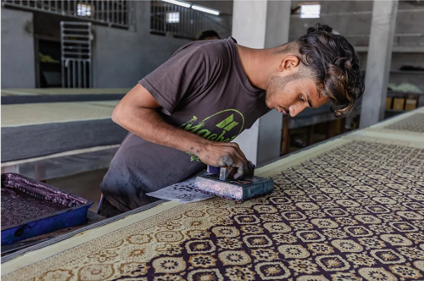
Kutch carries maybe the oldest story of all. Dholavira, if you make it out there, is a nearly five-thousand-year-old Harappan port city, its stone reservoirs and street layout still visible enough to make you feel slightly ridiculous about calling anything else ancient. Closer to the present but carrying the same stubborn continuity, the Ajrakh block-printers of Ajrakhpur are still hand-printing cloth with natural indigo and madder the way their families have for generations, each motif meaning something specific if you know how to read it.
At Devpar Homestay, mornings start with the sound of someone’s grandmother already up at the choolha, doing lippan work, mud and mirror pressed into the walls with fingers and no tools, the exact same way her mother did it.
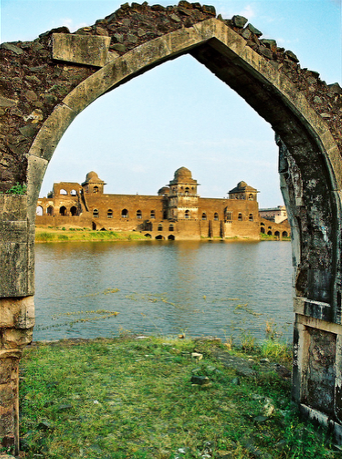
Indore and the Malwa plateau get a chapter of their own here, and rightly so. This is Ahilyabai Holkar’s country, a queen whose eighteenth-century reign is still spoken about like it happened last year, her temples and ghats scattered from Maheshwar to Omkareshwar. Jhira Bagh, an old Holkar hunting lodge, still smells faintly of teak and old rain, and staying there feels less like a hotel booking and more like being let into a chapter of that history for a night. Not far off, Mandu’s ruins carry a completely different story, a fifteenth-century romance between a sultan and a singer, half-remembered in the stones of Jahaz
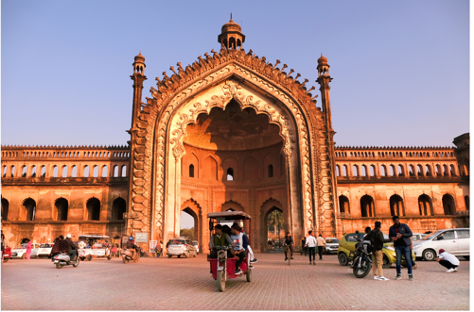
Awadh is a different kind of heritage altogether. It’s tehzeeb, the leftover grace of a court that valued manners over almost everything else. The unhurried way of doing things, a certain way of saying “aap” that’s mostly disappeared from the rest of India, carried down from a Nawabi Lucknow that prized poetry as much as power.
Mela Kothi still holds onto it, right down to how the tea gets served to you. Then the land changes on you. Chambal’s ravines, once feared for the dacoits who hid in them and are still spoken of here half like legend, are quiet now, almost startlingly so. Bundelkhand’s forts stand weathered but stubbornly proud, each one with its own siege story if you ask the right caretaker.
Then there are the places nobody really associates with heritage at all. Look a little closer, though, and you’ll find it hiding there too.
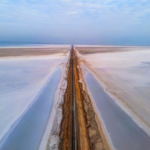
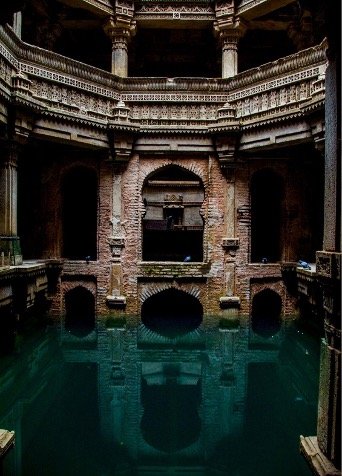
The Aravallis are, on paper, more a geographical region than a heritage one. People think of the hills, the light at dusk, the leopards, not history. Dera Jawai sits low against granite hills that carry their own old story, of Rabari shepherds and their long, almost sacred truce with the leopards who share these hills, walking the same routes their fathers walked without much fear either way. A short drive away and you’re standing on the Little Rann’s white salt flats, watching wild asses run in herds nobody’s ever properly counted. But the real surprise is The Hill House, tucked into the hills near Udaipur, where every room is built around a different heritage from somewhere else in the world altogether, each one collected and arranged like its own small museum where you get to sleep inside for a night.
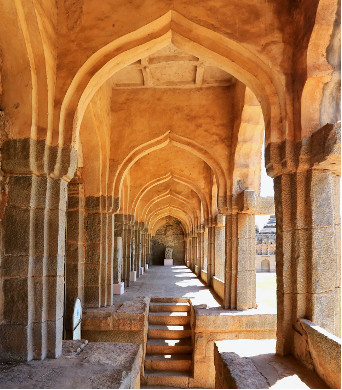
Heritage Karnataka is the same kind of surprise, a whole architectural memory laid out for you where you least expect it. Hoysala temples carved so finely they look machine-made, telling stories in stone panels most visitors walk straight past without noticing. Vijayanagara ruins at Hampi that still hum with the scale of an empire that once out-traded most of Europe. And the quieter coastal heritage too, mansions built by old trading families whose descendants still open their doors to a handful of guests a year, if you know to ask.
Five regions where heritage is impossible to miss, and two more where you have to go looking for it. But every one of them is a story first, something that happened once and somehow never really stopped happening, still being cooked, woven, printed, sung, and told right now, in a home somebody is willing to open up to you. That’s the whole reason these tours exist the way they do. Stay in these homes instead of just visiting them, and heritage stops being something you photograph. It turns into a story you get to stand inside of, even if only for a night.