So much is already known about Goa that whenever someone starts talking about it, a collective echo:
“Ye naya kya keh raha hai? (What new thing could they possibly have to say?)”
Maybe no other place in India gets everyone talking quite like Goa. The beaches, the parties, the food, the booze, and more recently, the trails, the off-the-grid stays, the culture, and the pristine rivers. For most people I meet, their mental image of Goa starts and ends with a beach.
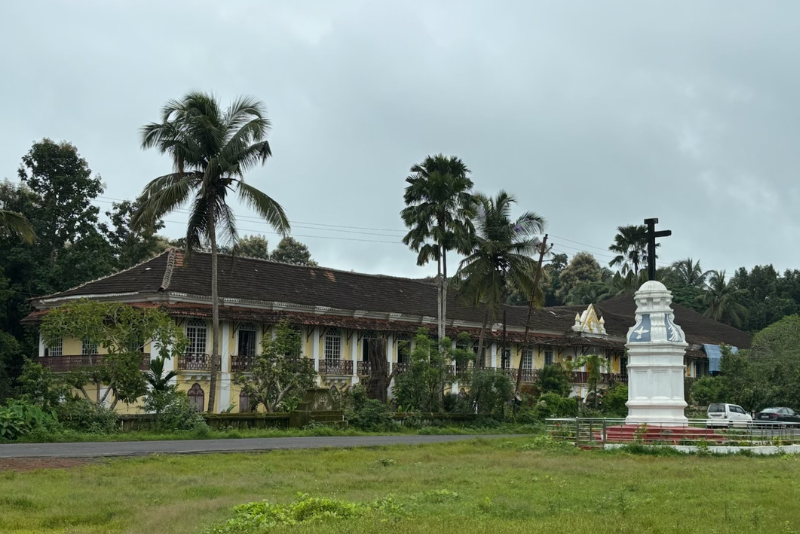
There is nothing wrong with that. But to truly understand Goa, you have to talk about how you fill up the middle spaces with the spaces that don’t feel crowded, where the local rhythm still overpowers the rush of tourism.
Growing up in Mumbai, I lived just 100 meters from the sea. It was a sea that gave out a peculiar, heavy smell when we were young.
Perhaps that’s why a beach is never the first thing that comes to my mind when I think of Goa.
Instead, I think of a temple tucked away near Ponda, right where the Western Ghats slope down to merge into the coast. My father made it a point to visit this temple at least once a year. Ever since I partly moved to Goa during the pandemic, I still visit it every single trip. It isn’t for religious reasons anymore; it’s for the quiet memories of a childhood spent traveling here with him.
That was the Goa of my teens. It all built up to a specific rainy evening in the early 2000s, during a seasonal tour my father had planned called ‘Goa in Rains.’
Back then, the monsoon was strictly considered the “off-season.” Flights were entirely routed through Mumbai; and the Konkan Railway, only a few years old at the time, was the only alternative to a bumpy, overnight bus journey. I distinctly remember sitting by the pool that evening when my father turned to me and told me to go up and manage the group’s dinner. Looking back, that might have been the very first time I ever faced a group on my own.
That evening was just one moment in a much longer journey. While Anubhav continued to take travellers to remarkable destinations, I found myself increasingly drawn to a different way of experiencing them.
As came 2022 and by the end of the pandemic the idea of creating a community of Homestays around India had already started to take shape in my mind. We first went south around the Nilgiris and then came to homes in Coorg then directly via a beautiful Home in Kutch went to the Himalayas. As they say, the nearest come to the party late. Goa only started looking like a place we want to work in as recent as 2025..
Now when I think of that evening in 2000 it feels like a circle has been completed with getting back on track with Goa in Rains. Only this time with Goa through its lesser known experiences. I know what you might be thinking .. “ye naya kya keh raha hai?”
All the tours we do as a travel company professionally, have a certain story that fuels their start and most of the time it’s personal. I think I kept Goa away from the people because it was too personal. Plus maybe we even thought what more we can do here than what people already know. Well, now at least we know that we can show a very different side of Goa.
A side so remote where even some of the Goans that we have met haven’t seen the sea there, yet. Goa in Rains is still the Goa that my father took me to in the rains of 2000. Or perhaps I only tried to match up to it through our Goa in Rains tour now.
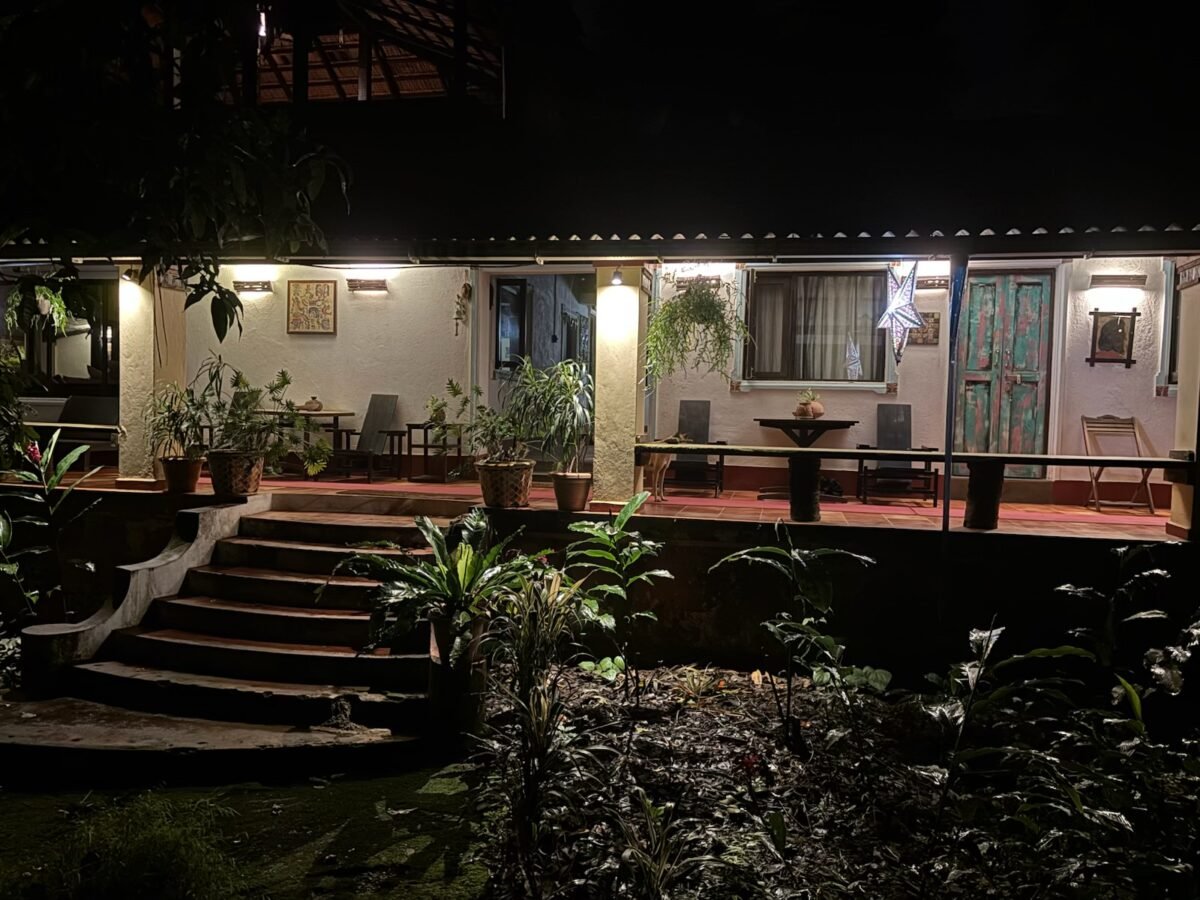
This version of the tour begins with two nights by the beach of Betalbetim in Goa’s south and finishes at a lovely homestay in Goa on the outskirts of the Netravali wildlife Sanctuary. And has some very special experiences in between.
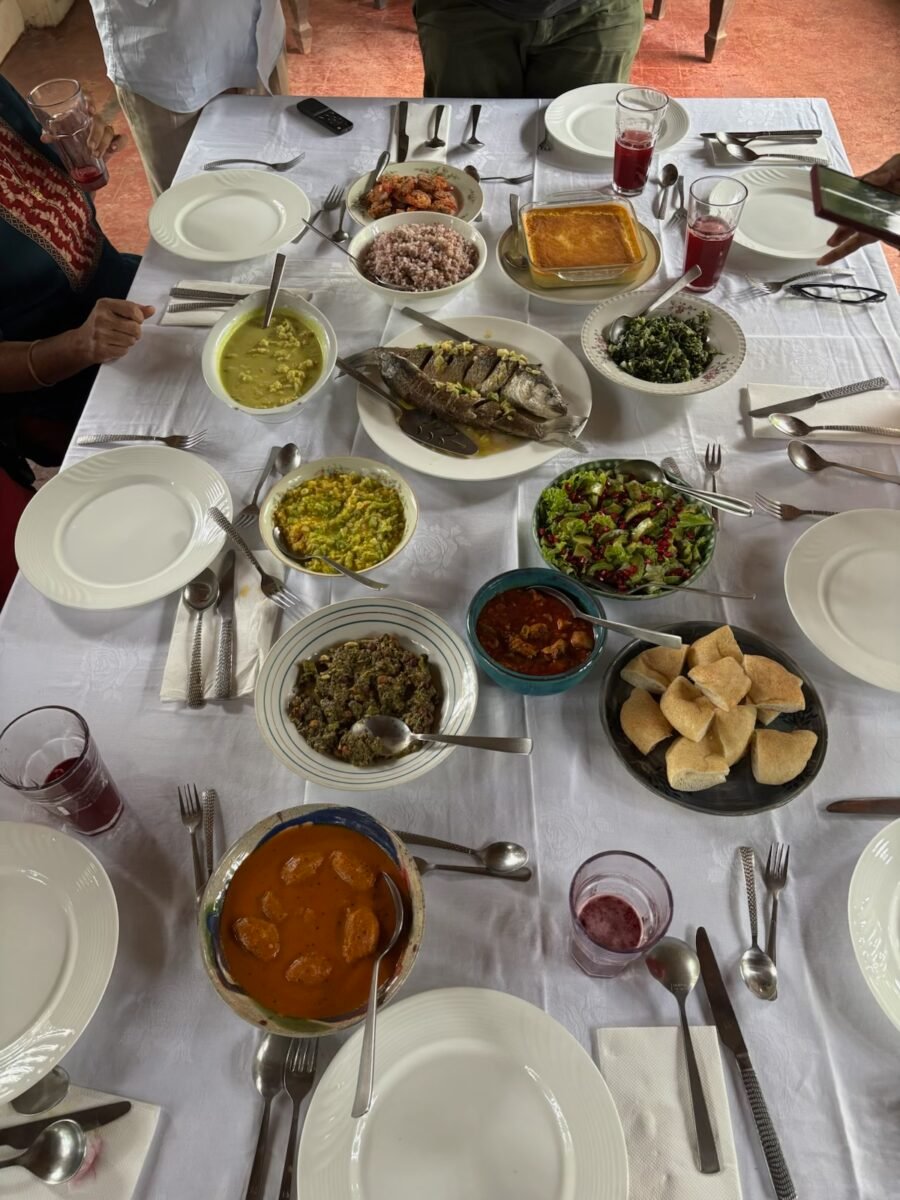
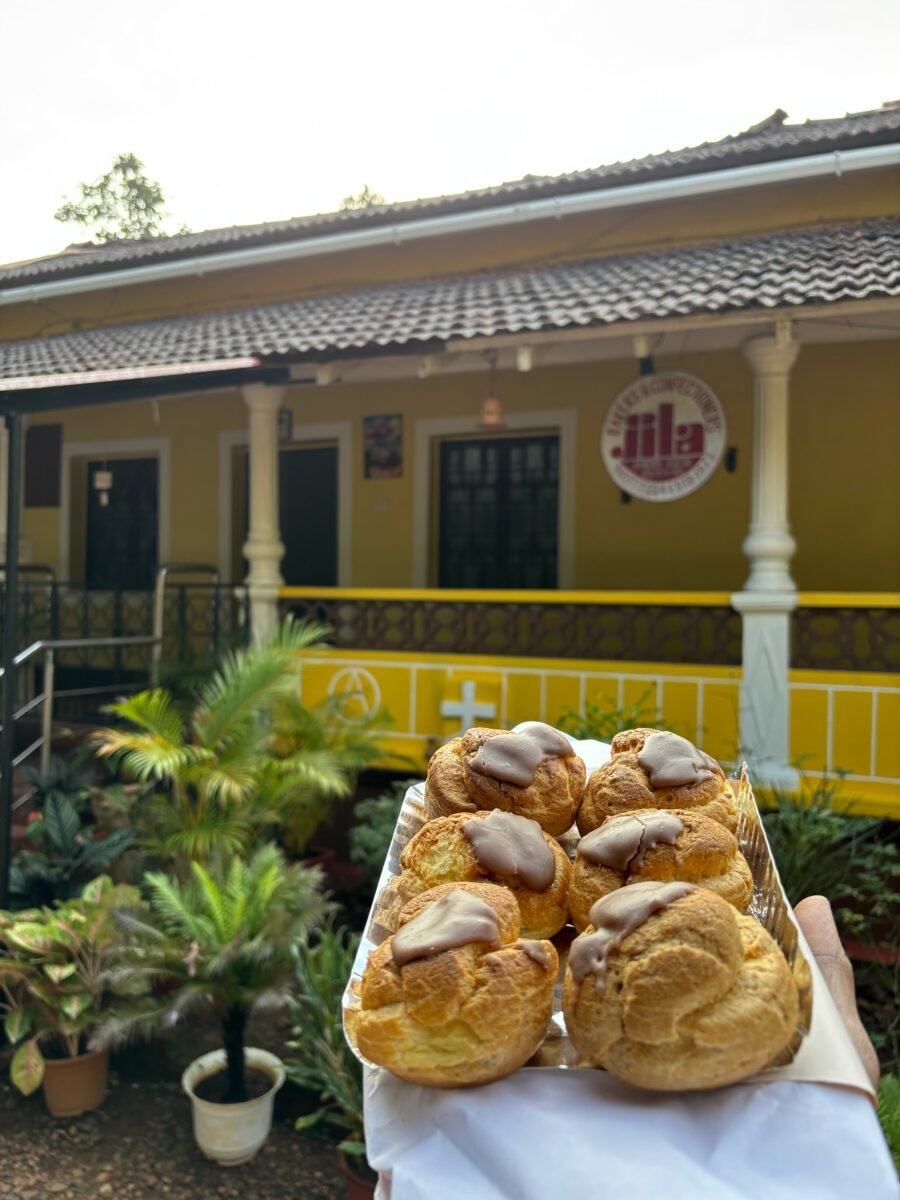
We visit eateries of today and from the time of the Portuguese. We feel the water on our faces near a very special dam, observe shapes on river beds and eat from the hands of local women ending with a drink from the home distillery. True it can be all done by yourself, it’s only Goa.
But then let us show you around; we are more than happy to share the Goa that we still love.