
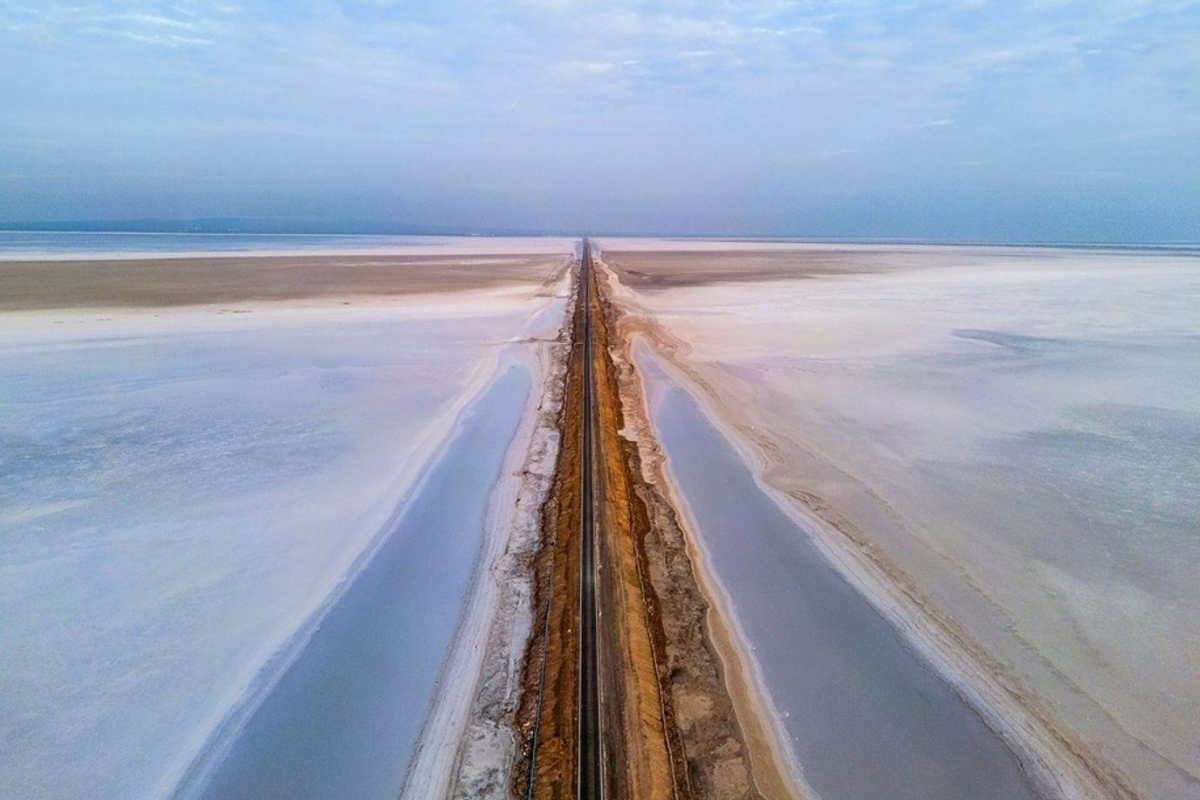
What comes to your mind when you say the word Kutch, and I know within three seconds you get the same answer. White desert. Full moon. That famous stretch of tents glowing under string lights, straight out of every Gujarat tourism advertisement you’ve scrolled past without really looking at it. Rann Utsav has done its job well, it turned a salt desert into a line item on everyone’s bucket list. I’m not here to argue with that. I went there too, joined the queue of cars crawling toward Dhordo at sunset, phone already out before I’d even parked the car properly.
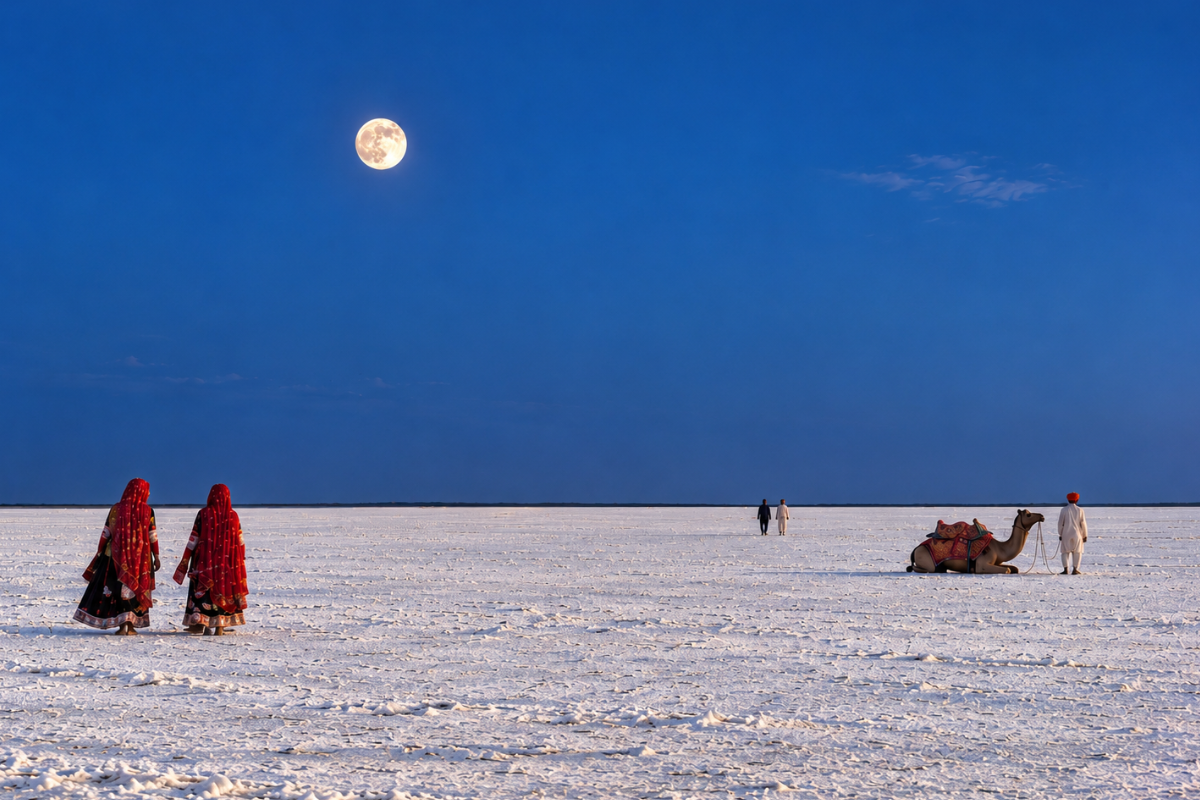
It was beautiful. I’ll say that plainly. The Rann under a full moon does something to your sense of scale that photographs never quite manage. But somewhere between the cultural programme on loop, the same walk to the same photo point at the same golden hour, and four hundred other people doing exactly what I was doing, I realised I was watching Kutch from the outside. Like standing in front of a glass case at a museum, admiring something without ever touching it.
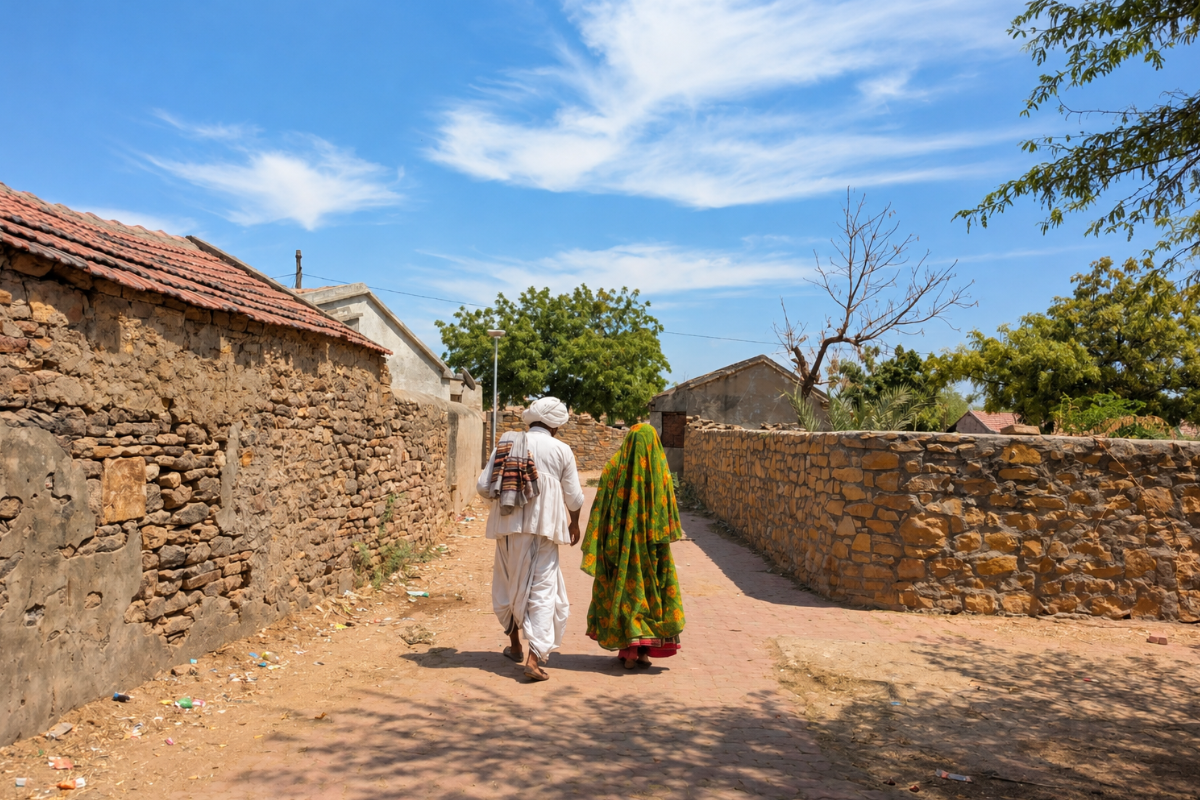
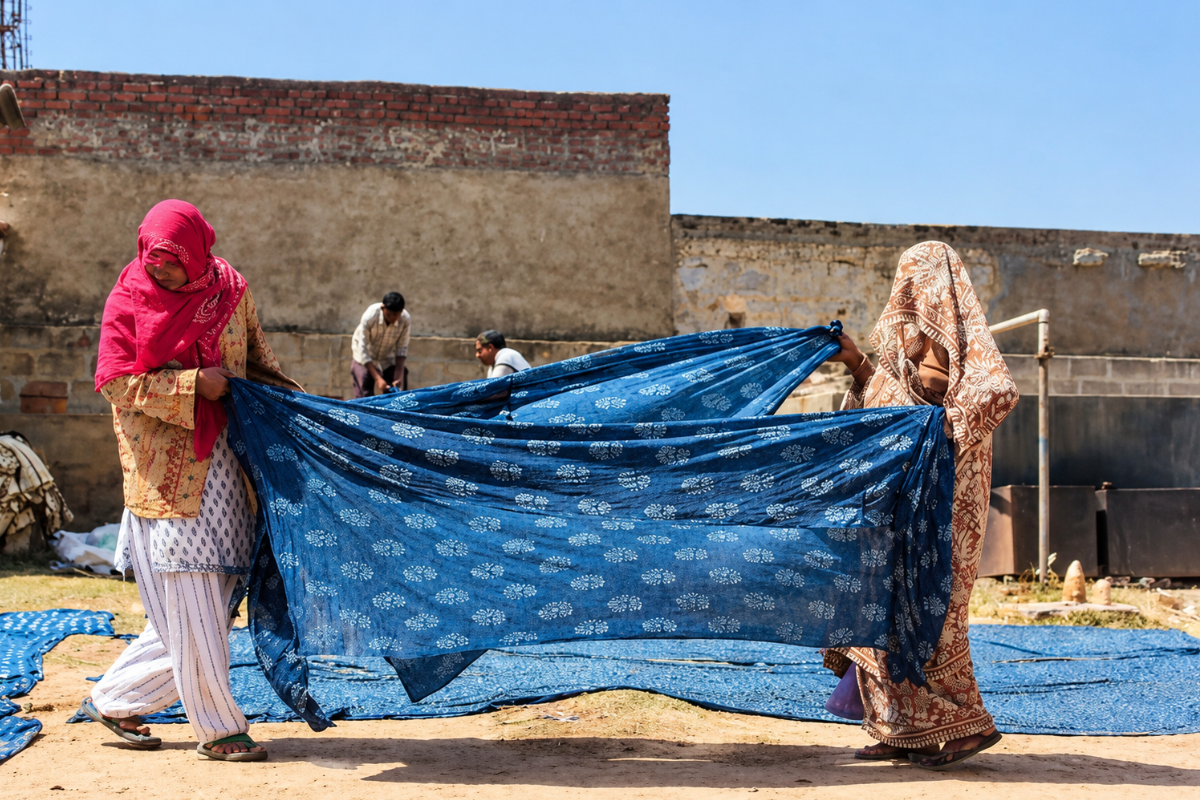
So the next morning, instead of driving back, I kept going. Past the tent city, into the villages that don’t get a mention on the tourism website. Bhujodi first, where the sound of a loom carries down the street before you even see the house it’s coming from. Then further, into smaller lanes where block printers wash indigo out of cotton in the same rhythm their grandfathers did. Nobody there was performing anything. They were just living their Tuesday.
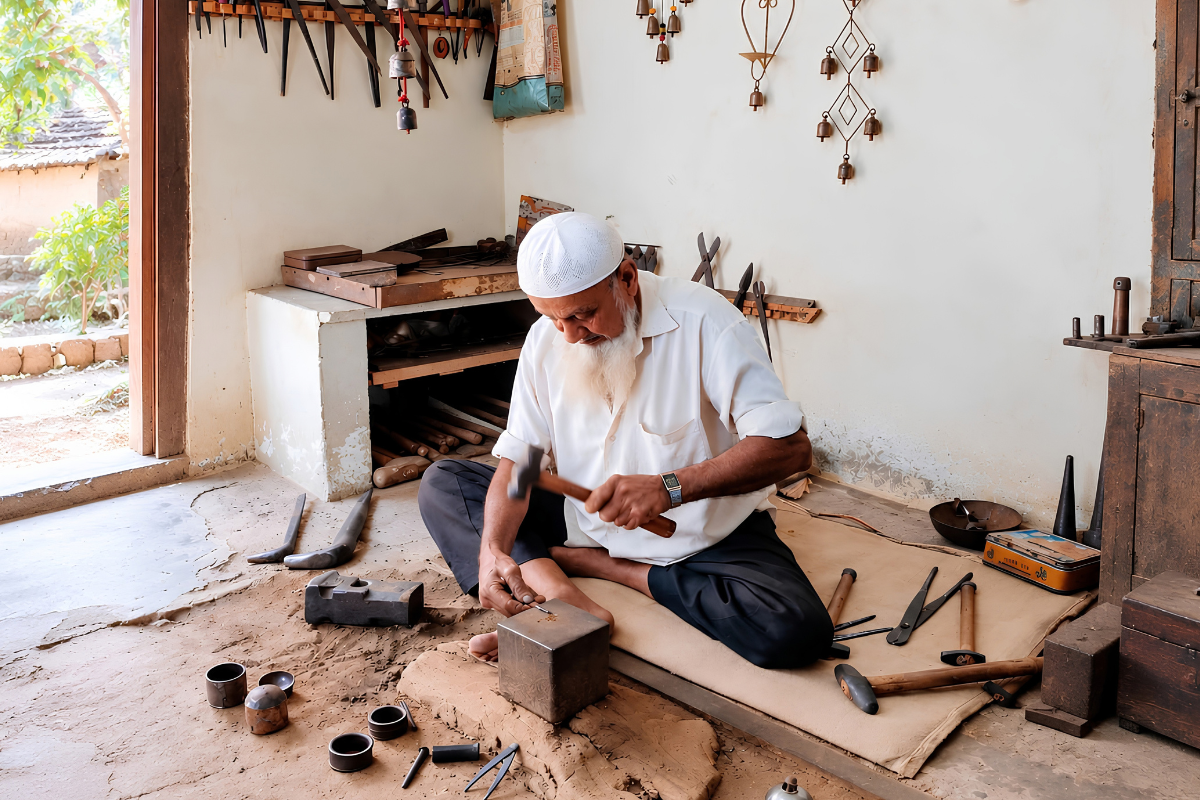
Forty kilometres further, in a village called Nirona, some families have kept an art called Rogan alive for over three centuries, painting with nothing but a metal stylus dipped in castor oil boiled down into paint, patterns that would have vanished completely if this one household had ever stopped teaching it to their sons. A few doors away, a bell maker in his seventies, the seventh generation of his family to do this, still hammers copper into shape without a single weld, tuning each bell by ear until it rings exactly right. I watched him work for twenty minutes and didn’t say a word. There wasn’t one that fit.
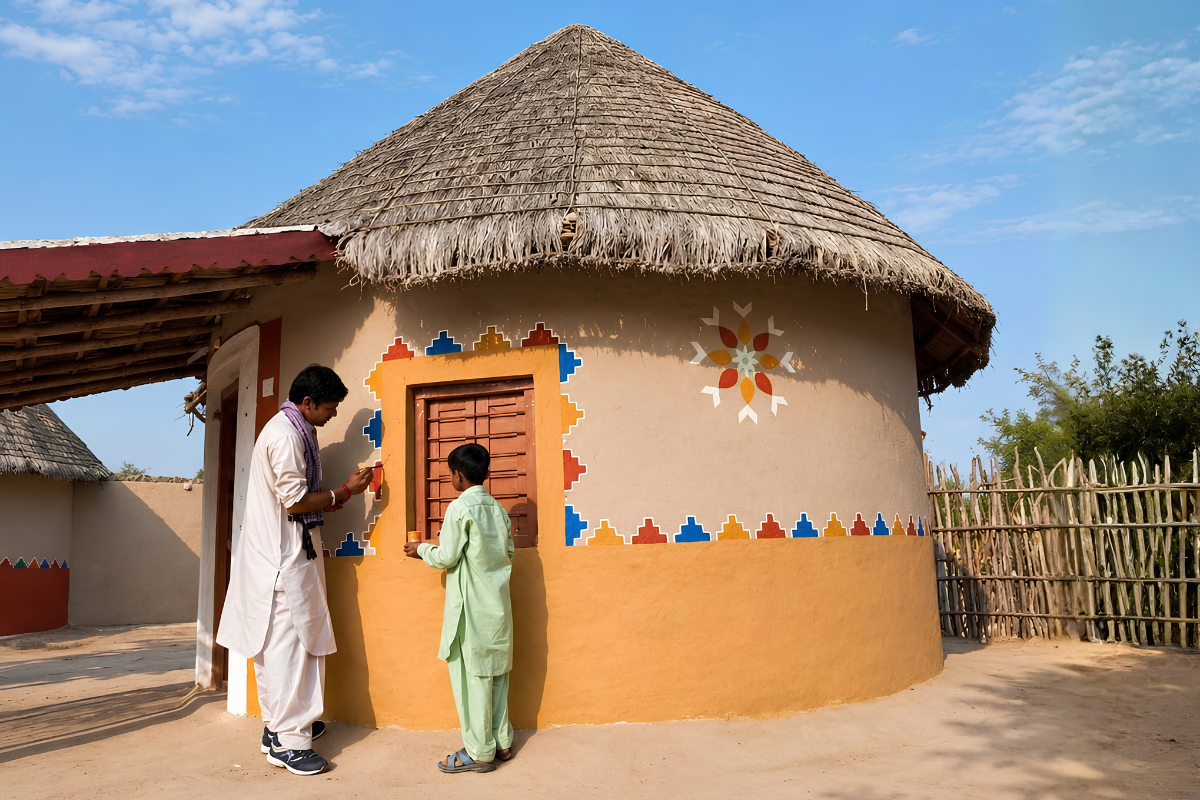
Kept going past Nirona and the villages thin out into something else entirely, the Banni. Out there, you understand quickly why people call it one of Asia’s largest grasslands, land a king handed to a community of herders five hundred years ago and never really asked back for. It’s still theirs. The buffalo they’ve bred here that whole time produce more milk and shrug off disease better than almost any other breed in the country, and the mud-and-mirror huts they live in, called bhungas, stood through the 2001 earthquake while concrete buildings a few kilometres away didn’t. Every wall is decorated by hand by the women of the house. Come in winter, over two hundred species of migratory birds land here, and for a few weeks there are more wings in the sky than in the sky itself.

None of this makes it onto the Rann Utsav itinerary. That’s exactly the point.
That’s the gap nobody tells you about. Seeing the Rann and understanding Kutch are two completely different trips, even though they happen ninety minutes apart from each other.
We built our Kutch tour around that gap.
How We Go, No big tour bus, no forty-seat coach idling outside a hotel lobby. We fly or take the train into Bhuj, and from there it’s eight to sixteen of us, in vehicles small enough to turn into a village lane without three attempts. You notice things at that size that a bus load never will, a shop you’d ask the driver to stop at, a conversation you can actually have with the person next to you by day two.
Where We Stay, Not the tent city. We put you inside the craft villages themselves, homestays run by families whose homes double as their workshops. You wake up to the sound of a loom instead of a generator. Breakfast is whatever the kitchen decided that morning, not a buffet line. And more often than not, the person serving your chai in the evening is the same person who wove the shawl folded in your suitcase.
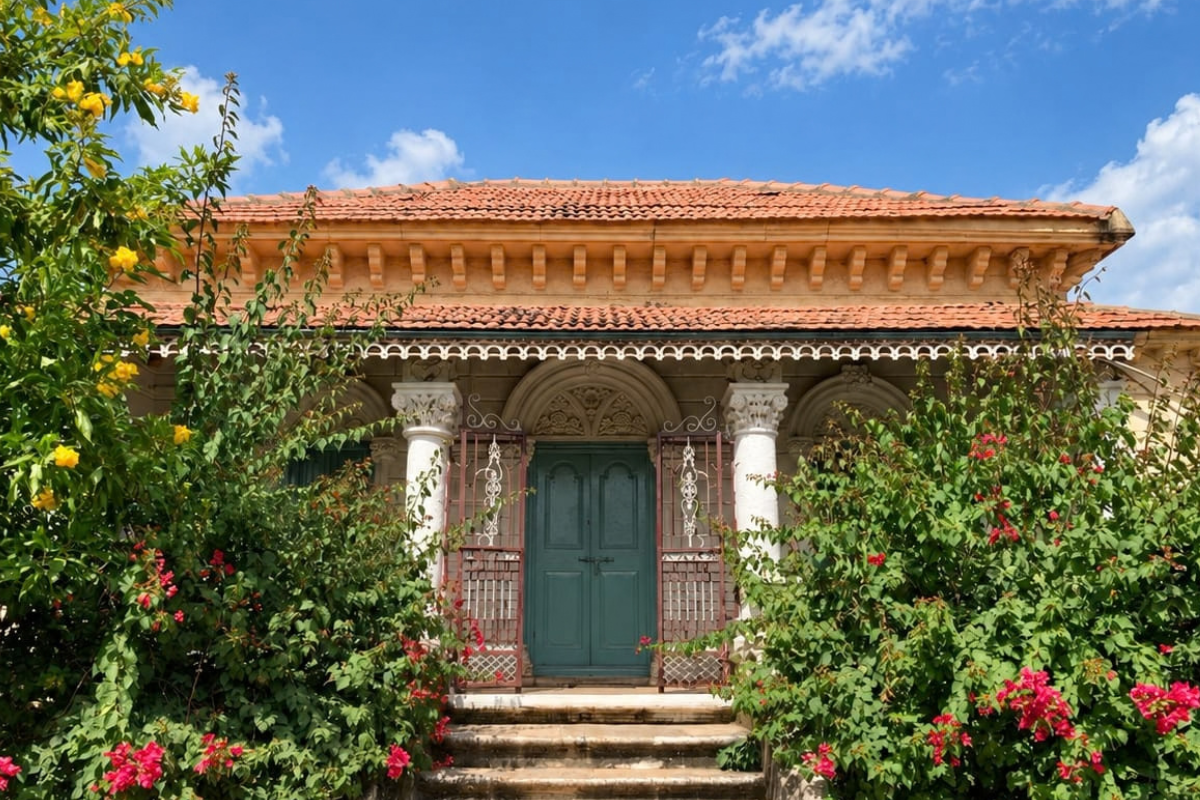
Who You Go With, This is the part I actually care about explaining, because it’s the part people ask about least and regret skipping most. Anubhav doesn’t send you to Kutch with a checklist and a driver. We send you with a small group, a slow pace, and a host on the ground who already knows which artisan is free to sit with you that afternoon, which family is cooking something worth waiting for, which corner of the Rann to watch the sunrise from instead of the sunset everyone else is fighting for.
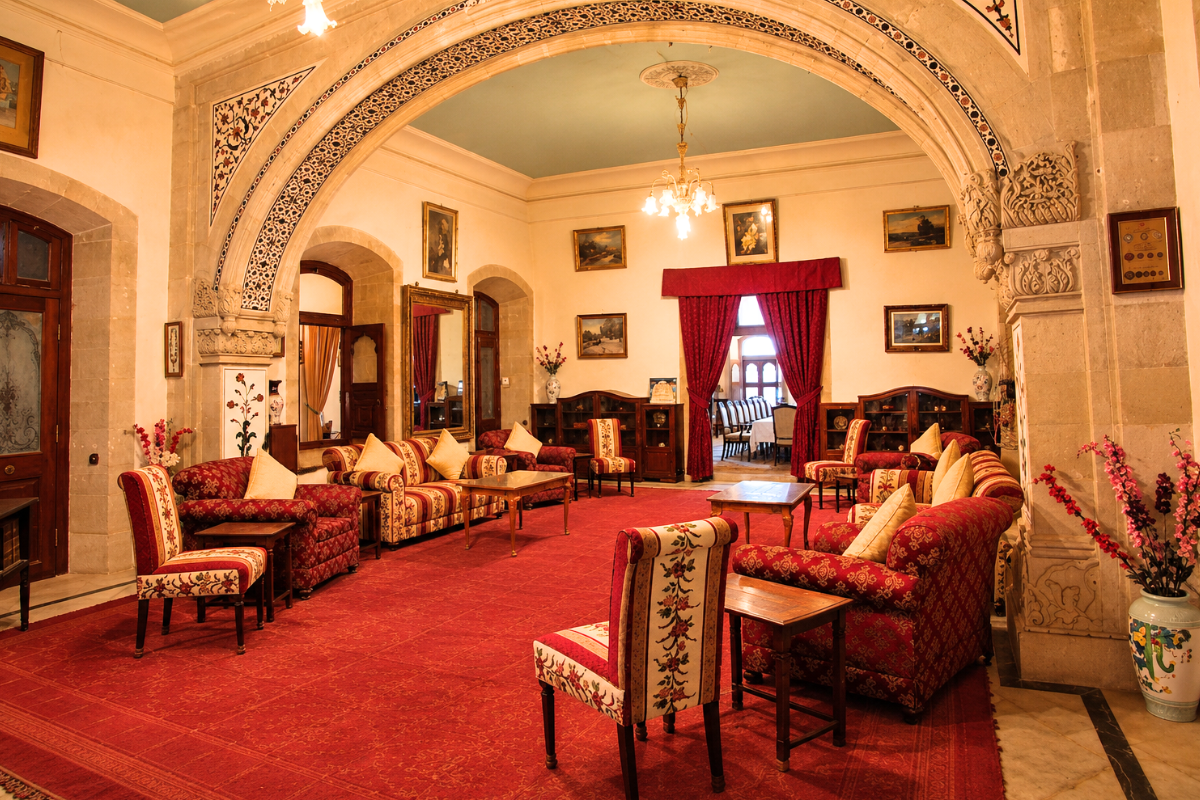
Yes, you still see the Rann. We’re not telling you to skip it, that would be its own kind of dishonest. But you see it as one stop in a much longer story, not the entire story. You arrive at that white desert already knowing the hands that keep the region alive around it, the Khatri families still practising Ajrakh printing after four centuries, the Bhujodi weavers whose patterns carry their own kind of language. The Rann stops being a backdrop for a photo and starts being the edge of something you already understand.
Kisi ne sahi hi kaha hai, dekhna aur samajhna, dono alag baatein hain.
Seeing and understanding were never the same thing. Rann Utsav will always be the reason people first hear of Kutch. That’s fine, someone has to open the door. But Anubhav exists for what happens after you walk through it, the villages, the looms, the families who’ll still remember your name the next time you call to ask if the monsoon’s been kind to them this year.
So the next time someone asks if you’ve been to Kutch, and you say yes, meaning you’ve seen the Rann, ask yourself the real question first.
Have you seen it, or have you actually met it?
Come find out. Kutch is closer than you think, and we already know exactly whose door to knock on first.