Picture a long mountain road. Your car is full of snacks, the windows are down, and the air is getting cooler with every turn. And then a green board flashes by: Kangra Valley. Almost nobody slows down.
For most people, Kangra is somewhere along the way to Dharamshala or McLeod Ganj. Fewer think of it as a region worth exploring in its own right, let alone venturing further into neighbouring Chamba. Mention spending a few days exploring these two regions, and you might get a puzzled look. What is there to do? Isn’t Dharamshala or Dalhousie enough?
I’ve never quite understood that question. Because some of what makes Himachal Pradesh feel so distinctly Himachali begins in these valleys. Look beyond the familiar hill stations, and you’ll find art, architecture, food and customs shaped by generations of mountain life. Each offers a different way of understanding this part of Himachal, and sometimes, the best place to begin is with something small enough to fit in the palm of your hand: a Kangra miniature painting and let me tell you a bit about it.
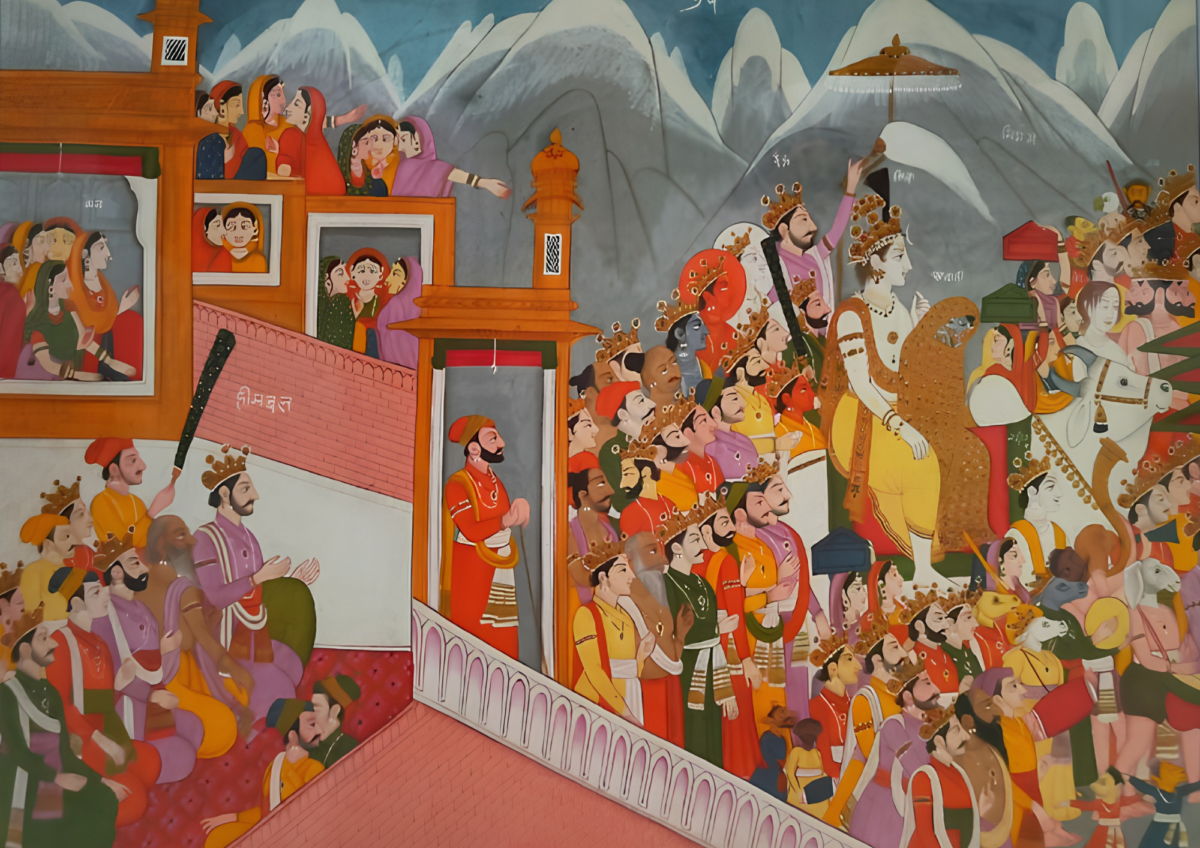
About three hundred years ago, the rulers in Delhi stopped paying their court painters. So the painters packed their brushes and walked north into the hills. There, kings like Raja Sansar Chand welcomed them, and they created what we now call Kangra miniature paintings. Imagine a tiny painting. A woman stands by a window, and a man looks at her from across the room. That’s all. But in that one sideways glance you can feel a whole love story. That is the magic of Kangra painting.
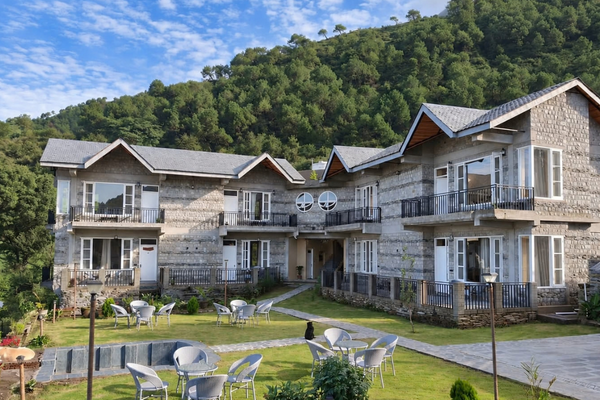
And it isn’t just the paintings that tell you something about the place. Look at the houses as you drive through the region. Down in the low valleys, people build with mud bricks dried in the sun. Go higher toward Rajgunda Valley and the land of the Gaddi shepherds, and the walls are made of flat slate stones stacked without cement, with strong deodar wood running through them. This is a clever old trick. If the earth shakes, the wall bends with it instead of cracking.
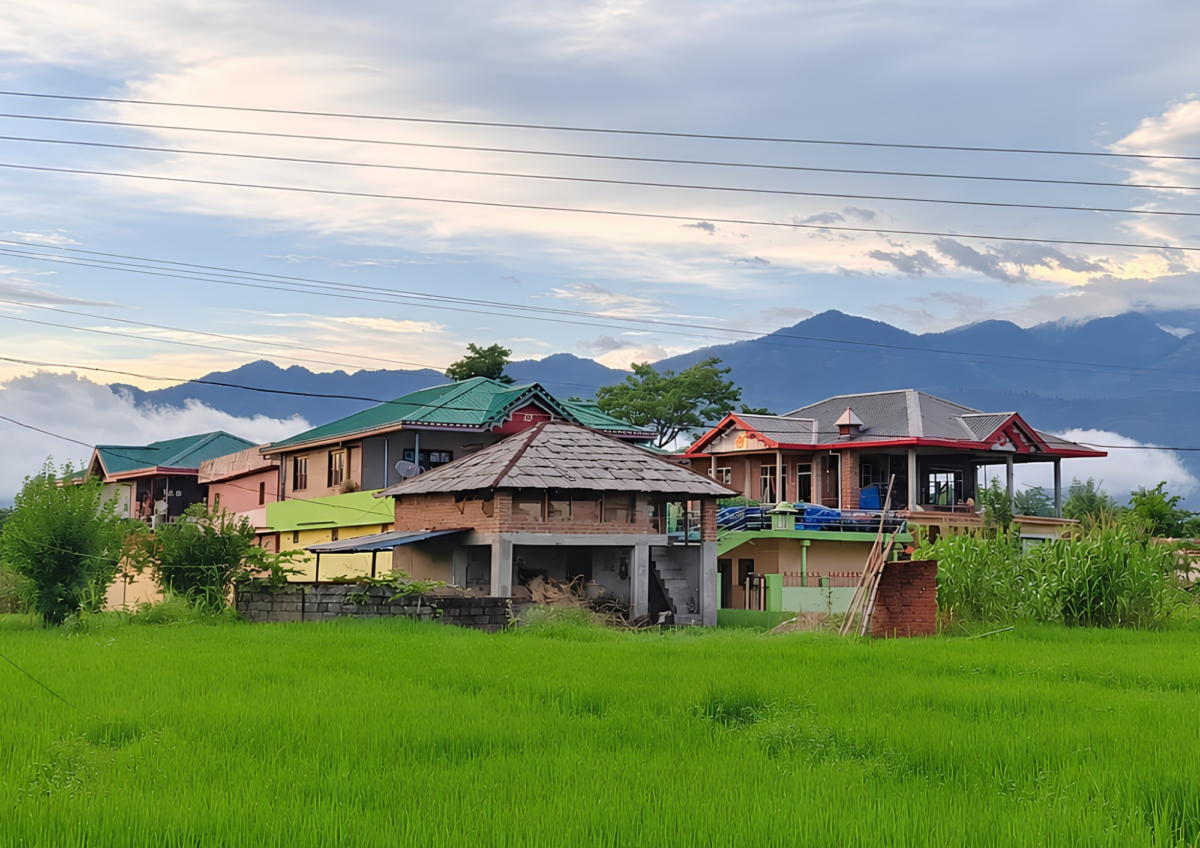
Further up in Pragpur, a village, you can walk down old stone lanes where Rajput mansions, British-style archways and Himachali slate roofs all stand side by side. No one decided to choose just one style, so they kept all of them. Keep climbing past Bir Billing towards Yol and then Upper Dharamshala, and the buildings start to look like a small piece of Scotland. You might forget you’re in India at all. And sometimes its a home like Dastak Retreat which feels like it’s inspired by everything around it.
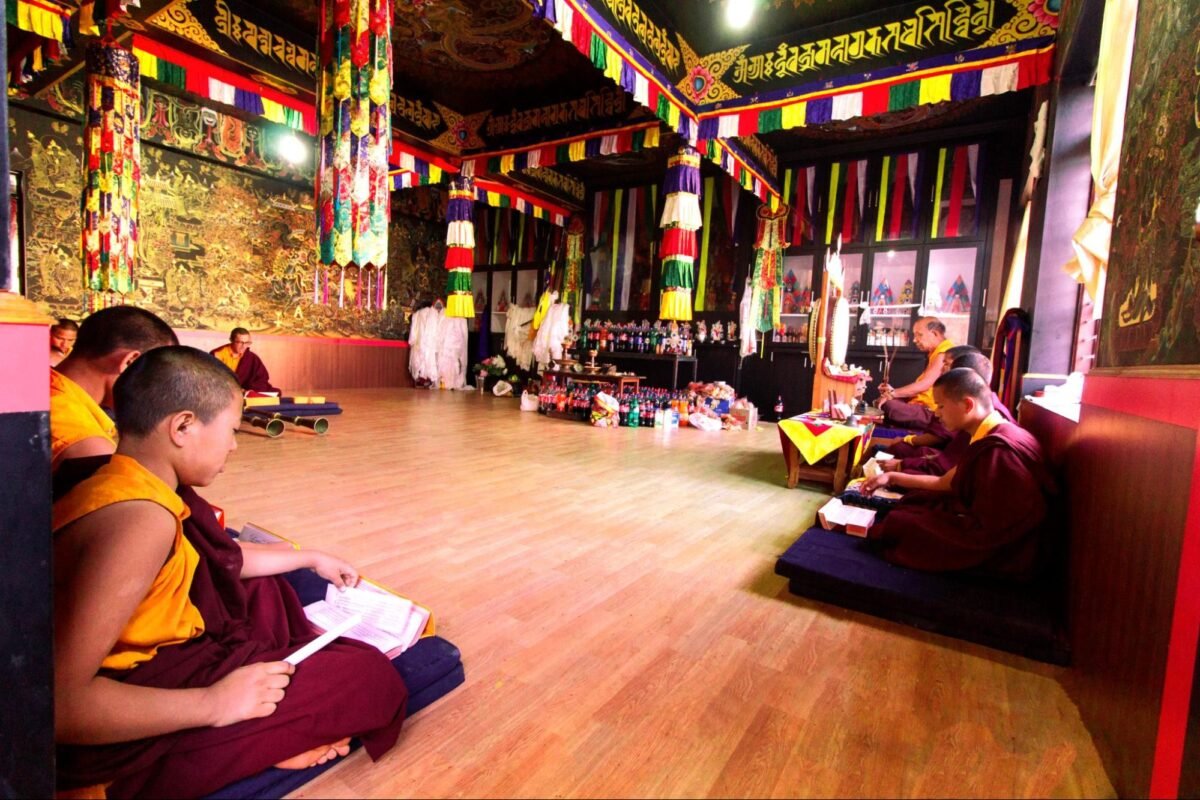
And somewhere between these valleys you’ll find prayer flags flutter in the wind, monasteries sitting quietly against the hills, and the sound of monks chanting carrying through the air. That’s when you’ll see yet another side of Himachal, one that has a lot borrowed from the neighbouring Tibet from food and architecture to customs and celebrations.
Here even the way people talk changes with the landscape. In lower Kangra Valley, people talk in an easy, flowing way, with a little Punjabi warmth mixed into mountain softness. But drive three hours over the pass into Chamba, and the words change so much it feels like you’ve crossed a border. The air is just as cold, the pine trees look the same, and the same Dhauladhar range looks down at you. But the word a mother whispers to put her baby to sleep is completely different on the other side.
The mountains didn’t keep people apart. They just gave every valley enough quiet to make up its own way of living. A quiet walk through these villages, a meal enjoyed at a local home or even a conversation with the host who has opened their home to you can offer a glimpse into this serene mountain life.
Perhaps what comes in as a surprise for many is the tea growing region of Himachal Pradesh: Palampur. Here tea bushes are climbing the hills, yielding exquisite Kangra Tea, and you’d swear they were borrowed from Assam.
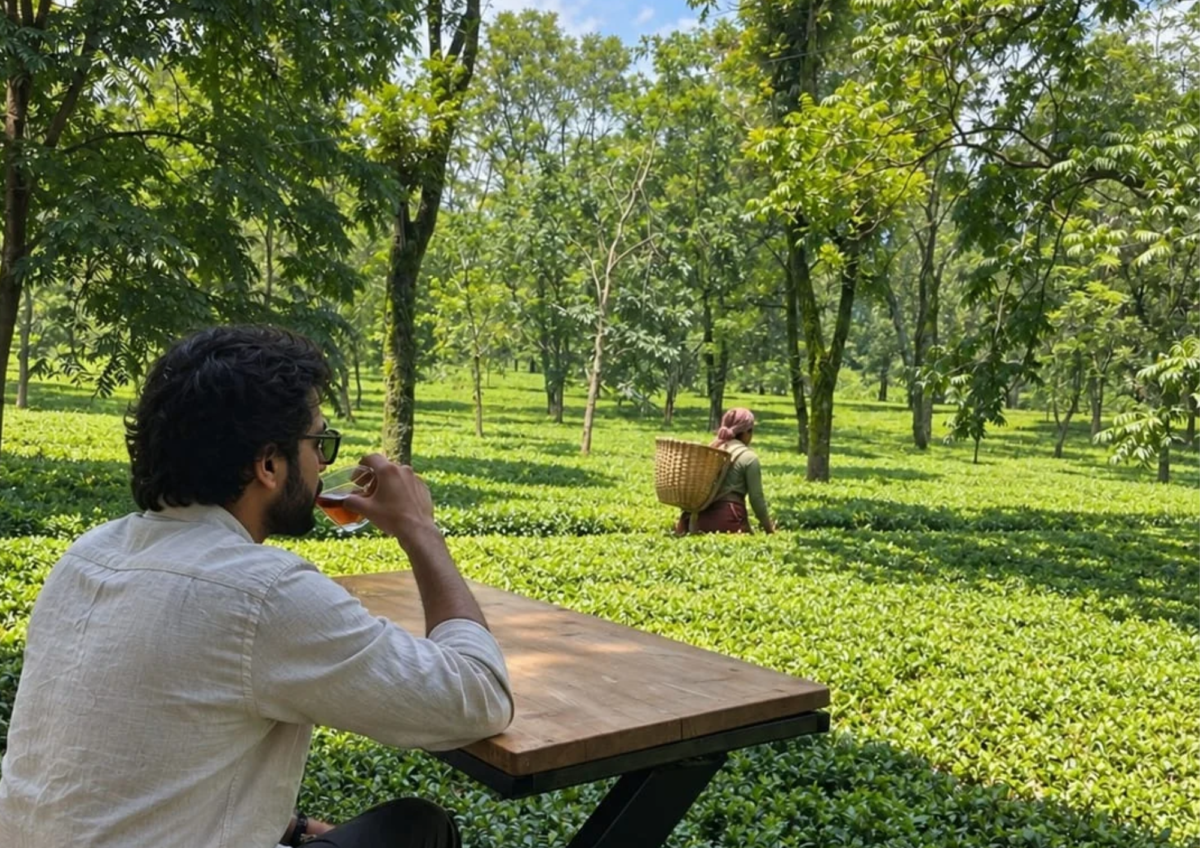
But Kangra Tea is only a morning habit.
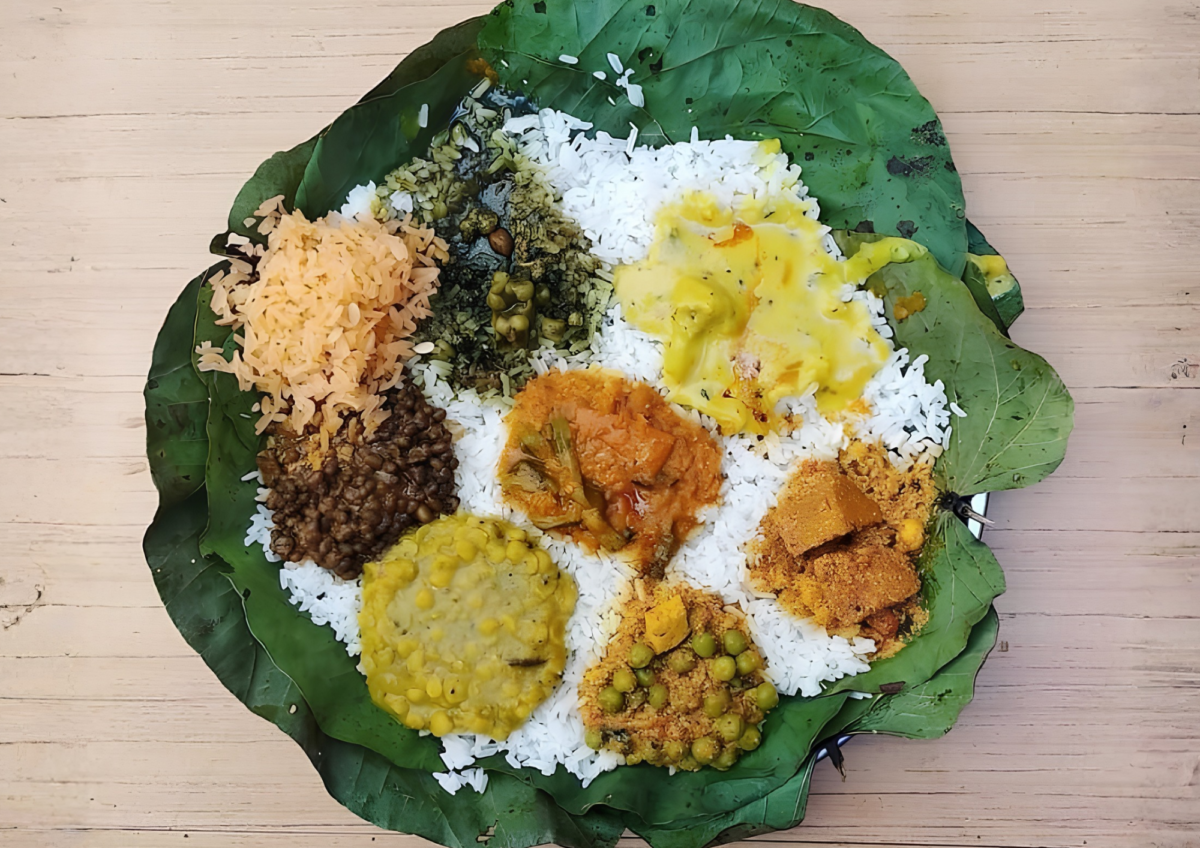
The real heart of the place shows up at a wedding or a village gathering, when smoke starts to rise for Dham, the traditional Pahadi ceremonial feast. It’s prepared by Botis, revered cooks who have learned the craft through generations. Before sunrise, they’re already tending wood fires in pits dug into the ground, with huge pots of the slow-cooked satvik meal bubbling away. Served on pattals, or leaf plates, the feast brings together Madra, Sepu Vadi, Khatta, sweet Meetha Bhaat and a sense of content difficult to describe.
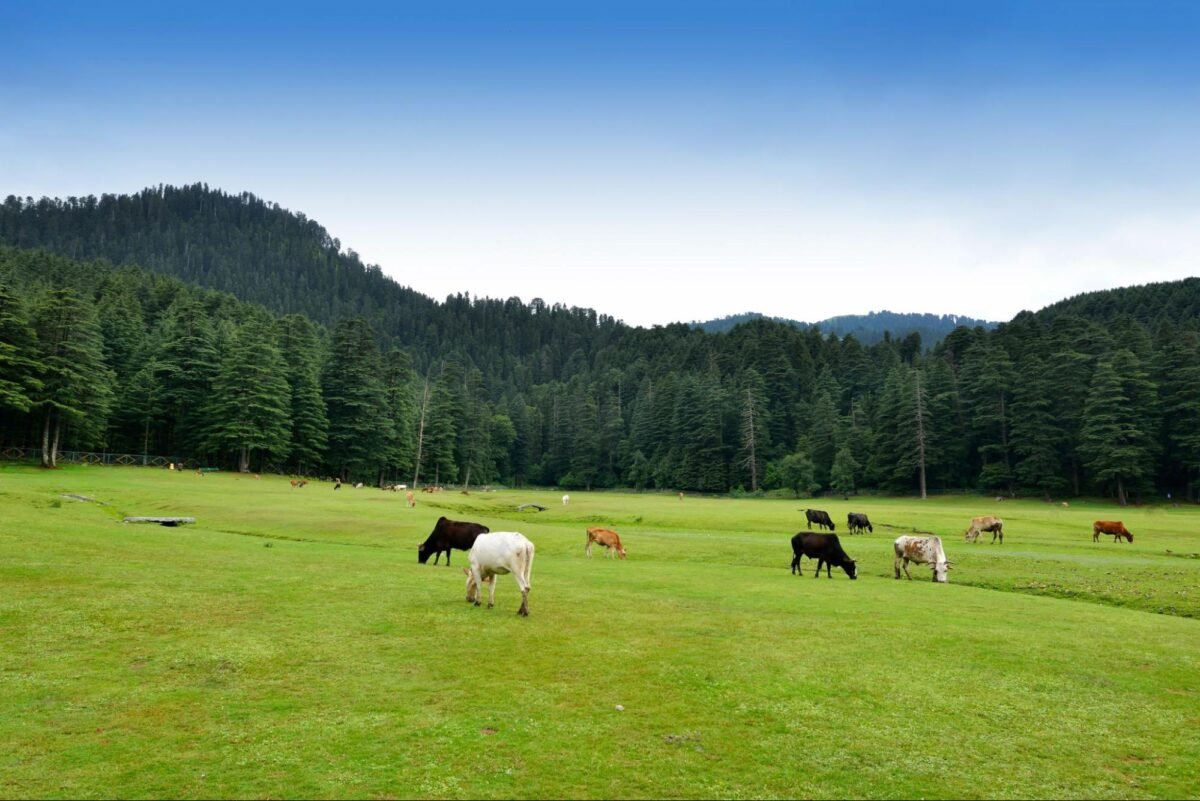
So don’t look for things to do in Kangra and Chamba, rather look for experiences that show the place. Stay in a local home, indulge in an authentic Kangra Dham, spend an evening in tea estates Palampur or enjoy the silence in meadows of Khajjiar. There’s a lot more here than you might expect.
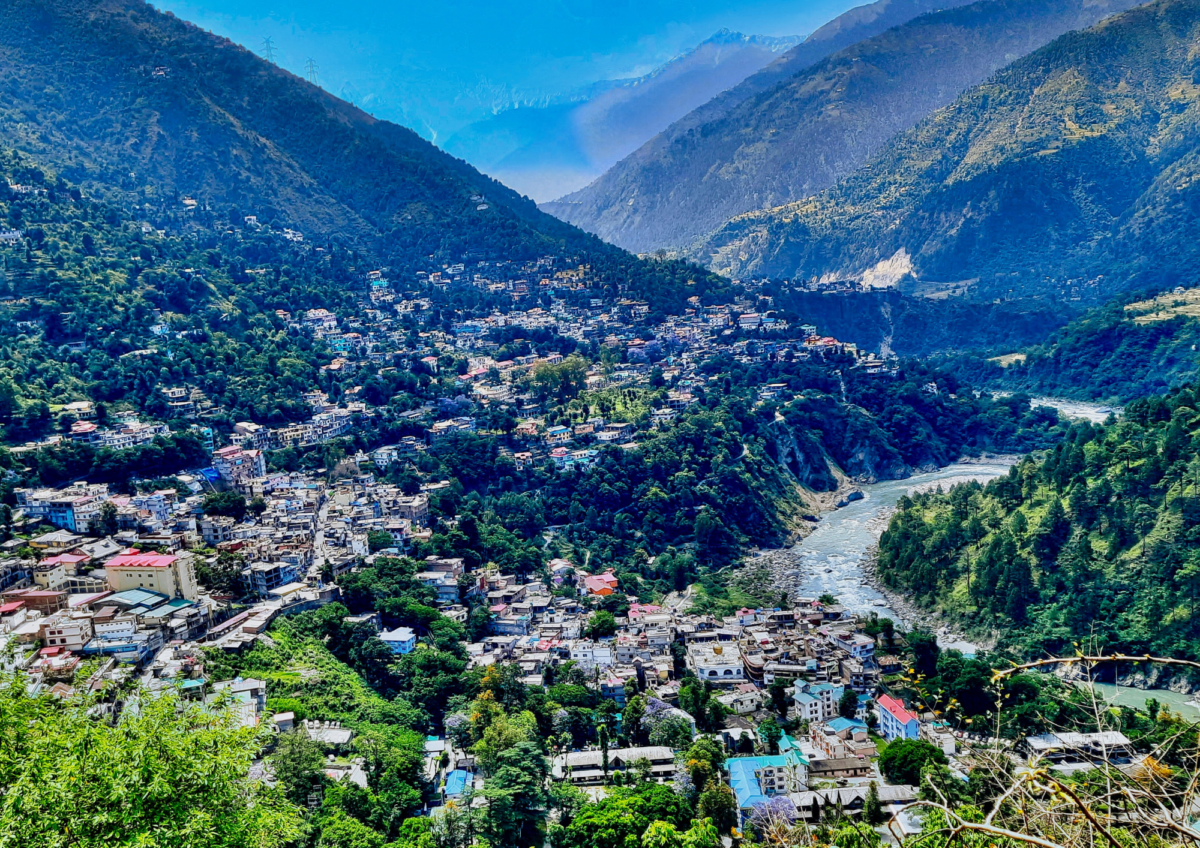
The next time that green board flashes by, perhaps you’ll think twice before driving on. Kangra and Chamba aren’t places you need to arrive with a list of things to do. Give them time, follow the roads that interest you, and let the valleys show you what makes each stop different.